
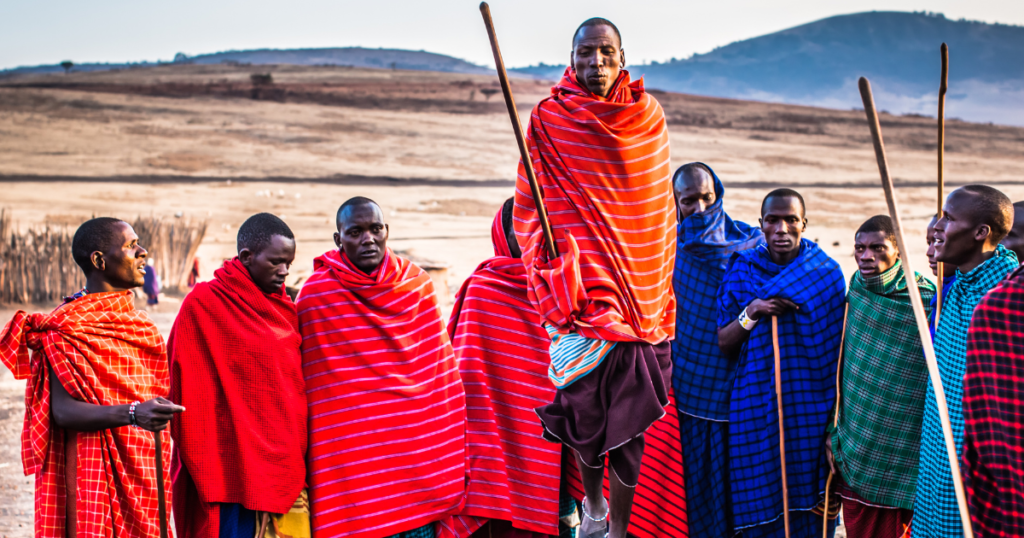
Maasai beadwork is more than just art; it’s a rich cultural tradition that holds deep significance. For the Maasai people, each bead in their intricate jewelry carries its own unique meaning. The use of color is especially important, with different shades symbolizing various aspects of life, identity, and beliefs. In this blog post, we’ll explore the significance of color in Maasai beadwork and what each color represents.
The Cultural Significance of Maasai Beadwork
The Maasai people, known for their distinctive dress and jewelry, are a nomadic ethnic group residing mainly in Kenya and Tanzania. Beadwork has long been a part of their daily lives, used in everything from adornments to ceremonial items. Beads are not just decorative but also serve as a means of communication, especially when it comes to expressing identity, status, and even life events.
For the Maasai, color is key in conveying messages. The vibrant hues used in Maasai beadwork reflect a deep connection to their environment, traditions, and personal experiences.
The Meaning Behind Maasai Beadwork Colors
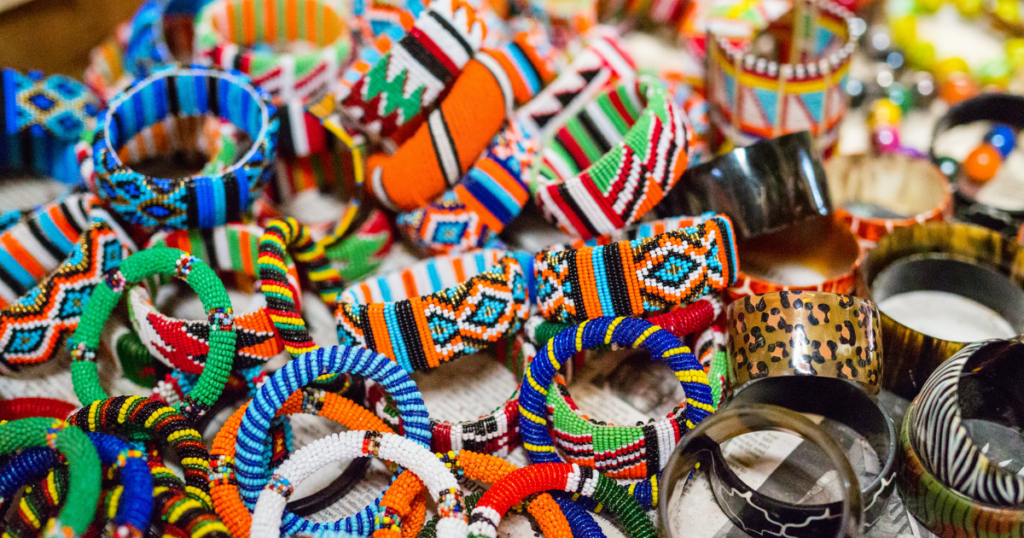
Each color in Maasai beadwork is chosen carefully, and every bead has a specific meaning. Let’s break down the significance of the most common colors used in Maasai jewelry:
1. Red – Strength and Courage
Red is one of the most prominent colors in Maasai beadwork, symbolizing strength, courage, and bravery. It also represents the Maasai warriors, who are known for their valor and resilience. Additionally, red is associated with life force and vitality. It is often seen in jewelry worn by warriors, elders, and individuals undergoing rites of passage.
2. Blue – Energy and Peace
Blue signifies energy, peace, and the connection to the sky and water, which are vital elements of Maasai life. The color represents tranquility and harmony, as well as the Maasai’s reverence for nature. Blue beads are often worn in celebrations or events that promote unity and cooperation.
3. Green – Fertility and Abundance
Green symbolizes the lushness of the land, fertility, and abundance. It represents new life and the growth of crops and livestock, which are central to the Maasai way of life. Green beads are worn by women and children and are also used in jewelry worn during celebrations of birth, harvest, and other milestones.
4. Yellow – Hospitality and Wealth
Yellow beads in Maasai beadwork represent wealth, hospitality, and the desire for prosperity. This color is associated with the abundance of resources and is often used in adornments for celebratory occasions, such as weddings or the welcoming of guests.
5. White – Purity and Peace
White symbolizes purity, peace, and innocence. It is also a color linked to spiritual matters, representing purity of heart and mind. In Maasai culture, white is often worn during important religious ceremonies or rituals, where peace and harmony are of utmost importance.
6. Black – Unity and Age
Black represents unity, age, and the strength that comes with experience. The Maasai view black as the color of elders, who are respected for their wisdom and knowledge. It also represents the earth, grounding, and the connection to the ancestors.
7. Orange – Energy and Vitality
Orange is a vibrant color that represents energy, enthusiasm, and vitality. It symbolizes the sun and warmth, bringing light and joy to the community. Orange beads are often worn during celebrations, including dances and festivals, where energy and excitement are abundant.
The Role of Color in Maasai Ceremonies
Color plays a significant role in Maasai ceremonies, such as weddings, initiation rituals, and celebrations of life’s milestones. For example, during a Maasai wedding, the bride wears jewelry that reflects her new role as a wife and mother. The colors of her beads might include red for strength, yellow for wealth, and green for fertility.
In initiation ceremonies, the colors of the beads worn by the young men and women undergoing the rites of passage signify their journey into adulthood and the responsibilities they will carry.
Modern Maasai Beadwork
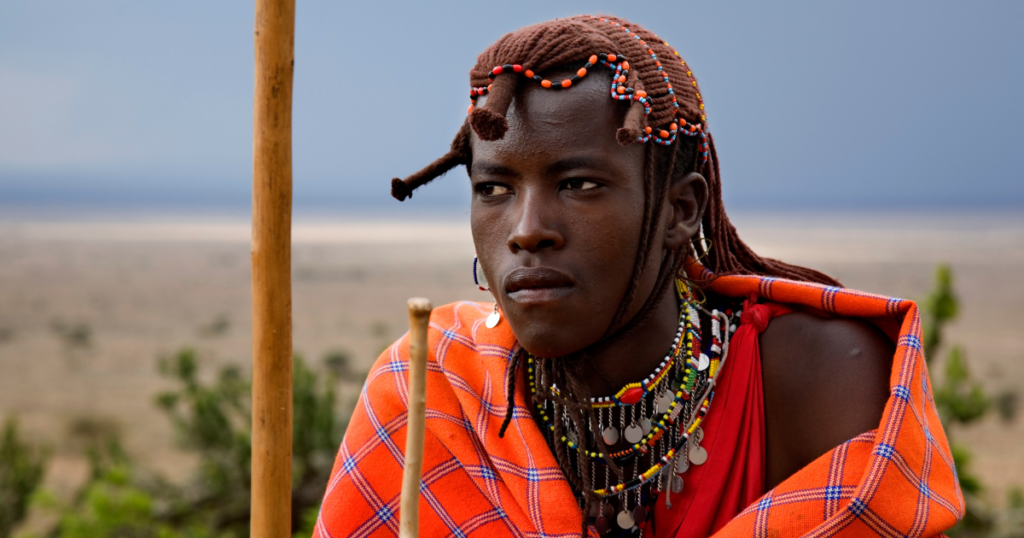
While traditional Maasai beadwork continues to play a vital role in cultural practices, contemporary beadwork has adapted to modern trends. Today, Maasai beads are often incorporated into jewelry collections that appeal to a global audience. The meanings of the colors, however, remain deeply rooted in the Maasai tradition.
For example, Maasai bracelets and necklaces are becoming popular globally for their vibrant colors and cultural significance. Many people wear these items as a way to celebrate African heritage and to connect with the deeper meaning behind the beadwork.
Conclusion
Maasai beadwork is not just a form of artistic expression but a reflection of the Maasai people’s values, beliefs, and way of life. The colors used in their beadwork hold powerful meanings, from representing strength and courage to fertility and peace. Whether worn for ceremonial purposes or as part of everyday life, Maasai beads carry with them a wealth of cultural significance.
If you are drawn to the beauty and meaning behind Maasai beadwork, consider incorporating these colorful pieces into your jewelry collection. Not only will you be wearing a unique, handcrafted piece of art, but you’ll also be honoring a rich cultural tradition that has stood the test of time.