
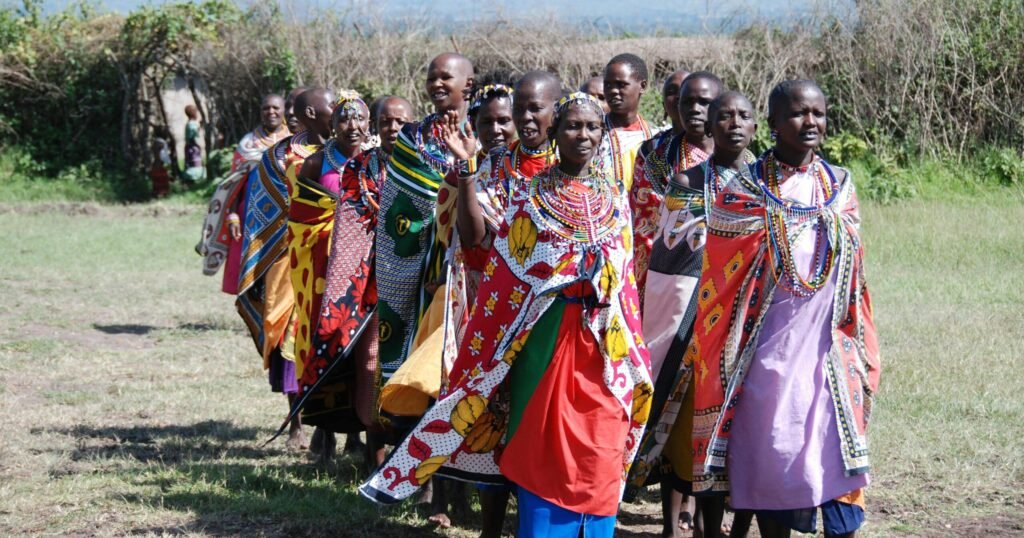
Maasai beadwork is more than just a form of artistic expression—it plays a significant role in the economic empowerment of Maasai communities. This vibrant tradition not only preserves cultural heritage but also serves as a vital source of income for many artisans. In this blog post, we’ll explore the economic impact of Maasai beadwork and how it supports local communities.
1. Source of Income for Maasai Artisans
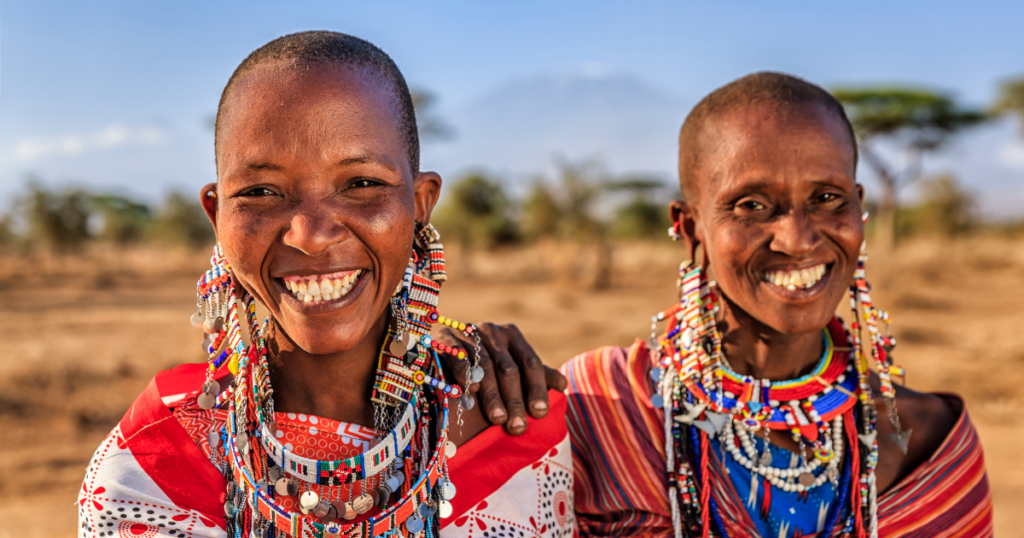
For many Maasai people, beadwork provides a crucial source of income. Skilled artisans—mostly women—handcraft intricate jewelry and accessories such as necklaces, bracelets, and earrings. By selling their creations at local markets, through fair trade organizations, and online platforms, artisans are able to support their families and improve their livelihoods.
- Empowering Women: Beadwork is predominantly done by Maasai women, who use the income to support their households, educate their children, and contribute to the local economy.
- Flexible Work: Beadwork allows artisans to work from home or in their community, providing flexibility and reducing the need for long commutes or migration.
2. Promoting Local Businesses
Maasai beadwork has also led to the growth of local businesses. Many entrepreneurs and small businesses in Kenya and Tanzania specialize in the production, marketing, and sale of Maasai jewelry. These businesses help increase demand for authentic beadwork, creating opportunities for both artisans and local shop owners.
- Tourism Industry Growth: The popularity of Maasai beadwork attracts tourists to local markets, cultural festivals, and community-based tourism initiatives. Tourists often purchase authentic Maasai jewelry as souvenirs, further boosting the local economy.
- Supporting the Supply Chain: The beadwork industry also supports local suppliers who provide the raw materials—such as glass beads, thread, and tools—required for crafting. This creates a ripple effect within the community.
3. Global Market and Export Opportunities
In recent years, Maasai beadwork has gained recognition on a global scale. With the rise of e-commerce and social media, Maasai artisans and businesses can now sell their products worldwide. This global exposure has expanded the market for Maasai jewelry, enabling artisans to reach international customers.
- Fair Trade and Ethical Markets: Many artisans sell their work through fair trade organizations, which ensure they receive fair wages and work in safe conditions. This not only helps the artisans financially but also promotes sustainable practices.
- Building International Relationships: As Maasai beadwork becomes more popular internationally, it creates opportunities for partnerships between local artisans and global markets, benefiting the economy of the Maasai communities.
4. Cultural Preservation and Heritage
The economic success of Maasai beadwork has a direct link to cultural preservation. As the demand for authentic beadwork grows, more Maasai people are motivated to continue practicing this traditional craft, ensuring that the art form is passed down to future generations.
- Educational Opportunities: The increasing interest in Maasai beadwork has led to workshops, training programs, and cultural exchanges, where young people can learn about the significance of beadwork and how to create it.
- Pride in Heritage: As Maasai beadwork becomes a recognized cultural symbol, it fosters pride in Maasai heritage and encourages younger generations to stay connected to their traditions.
5. Social Impact and Community Development
The economic impact of Maasai beadwork extends beyond individual income. As artisans and local businesses succeed, there is greater opportunity for community development. The income generated from beadwork sales supports infrastructure projects, healthcare, and education within Maasai communities.
- Access to Education and Healthcare: Profits from beadwork sales are often reinvested into the community, funding schools, clinics, and local development projects that improve the quality of life for Maasai people.
- Building Social Networks: Beadwork also fosters social connections, as artisans collaborate with one another, forming networks that offer both professional and personal support.
Conclusion
Maasai beadwork is much more than a beautiful art form—it’s a vital economic driver for Maasai communities. By providing a source of income, supporting local businesses, promoting global markets, preserving cultural heritage, and fostering community development, beadwork plays a crucial role in improving the lives of Maasai people. As demand for authentic Maasai jewelry continues to grow, its positive economic impact will only increase, empowering artisans and supporting the long-term prosperity of the Maasai community.